How to Troubleshoot Common HVAC Problems Before Calling a Professional Feb 14, 2026
Begin your troubleshooting journey by examining your thermostat. Surprisingly, many HVAC issues trace back to thermostat settings being incorrect. Check that your thermostat is set to the desired temperature and compatible mode (heating or cooling, depending on the season). If it's a programmable model, ensure that the schedule aligns with your current needs. Sometimes, a battery replacement is all it takes to restore normal function, so swap out old batteries for fresh ones if problems persist.
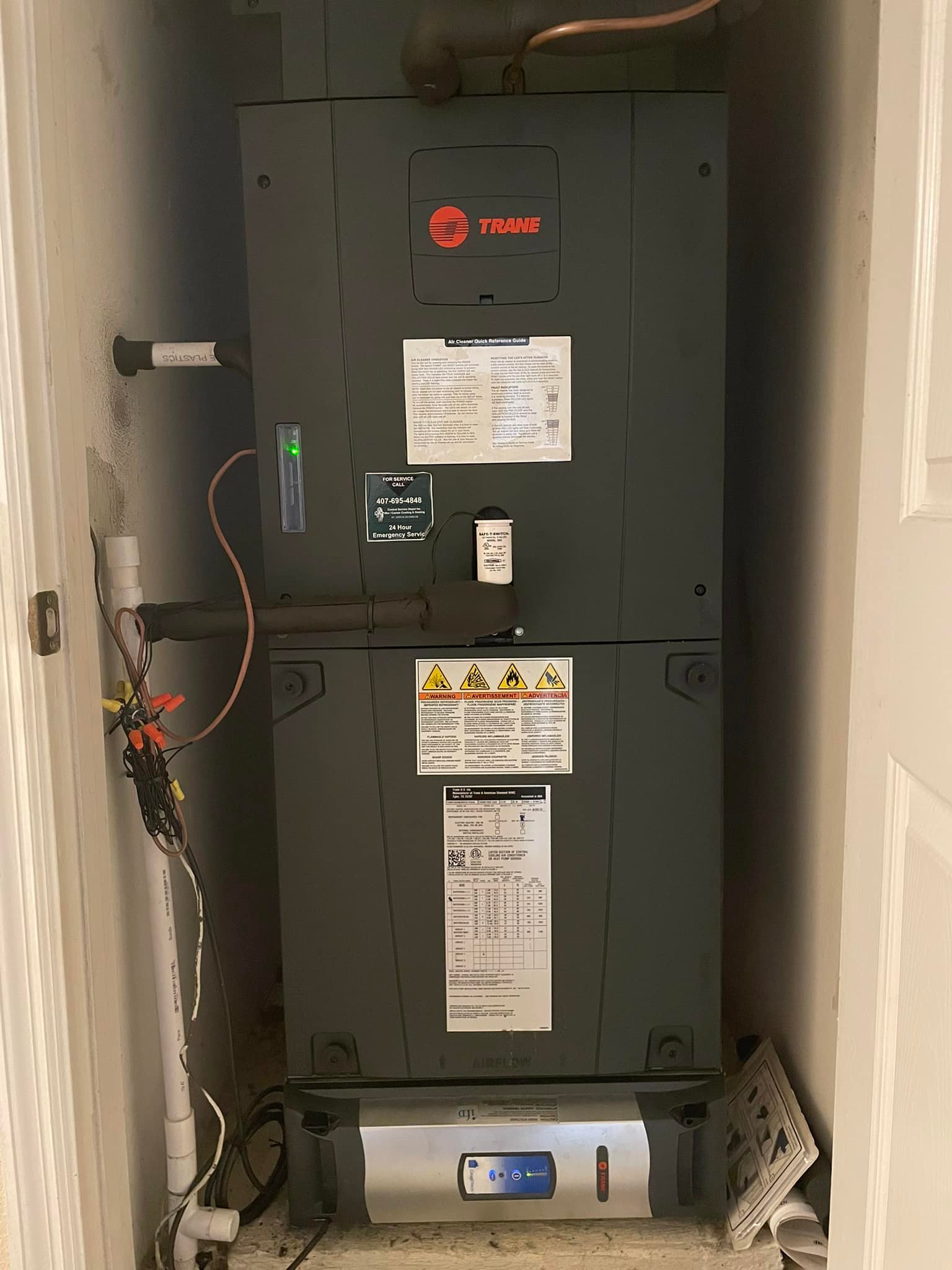
Another frequent culprit of HVAC malfunction is a dirty or clogged air filter. A filter that hasn't been changed in a while can impair airflow, causing the system to work harder than necessary, which might lead to overheating or freezing up. Locate your HVAC system’s air filter, remove it, and inspect it closely. If you see dirt and dust accumulation, replacing it with a new, clean filter can resolve a myriad of issues and enhance efficiency.
Conduct a visual inspection of your circuit breaker and controlled power switches. An HVAC system that won't power on may have a tripped breaker or disconnected switch leading to the unit. Head to your main electrical panel and confirm that none of the breakers associated with your HVAC equipment have tripped. Reset any that appear out of place. Similarly, ensure that any emergency cut-off switches near the units themselves are in the "on" position.
Inspect the area around your outdoor unit. Accumulated debris around condenser units can obstruct proper airflow, affecting the efficiency and performance of your HVAC. Remove any leaves, twigs, or debris surrounding the unit and ensure at least two feet of clear space around it. Regular cleaning and maintenance of these areas can prevent problems from arising.
Additionally, listen closely to your unit while it operates. Unusual sounds like grinding, banging, or rattling could indicate mechanical issues within the system’s internal components. While you might not be able to resolve these concerns without professional help, being informed about unusual noises can be beneficial when discussing the problem with a technician.
Lastly, consider your home’s insulation and ductwork. Air leaks in ducts or insufficient insulation can force your HVAC system to overwork, resulting in inadequate heating or cooling. Sealing any duct leaks with duct tape or mastic sealant can improve performance, though significant insulation issues might require professional evaluation.
In conclusion, while some HVAC problems require professional intervention, many can be effectively addressed with a bit of troubleshooting. By performing these checks before calling a service technician from Cactus Cooling and Heating, you might resolve the most common issues promptly and efficiently. Remember, regular maintenance and inspections can prevent the majority of HVAC troubles, ensuring that your system works smoothly for the maximum comfort of your home.
/filters:no_upscale()/filters:format(webp)/media/f6d57b01-77df-40f0-a3eb-41bf5f97e41f.jpg)